

What Happens When Your Superman Gets Sick or Hurt?
- sandy camillo
- Jul 21, 2025
- 2 min read

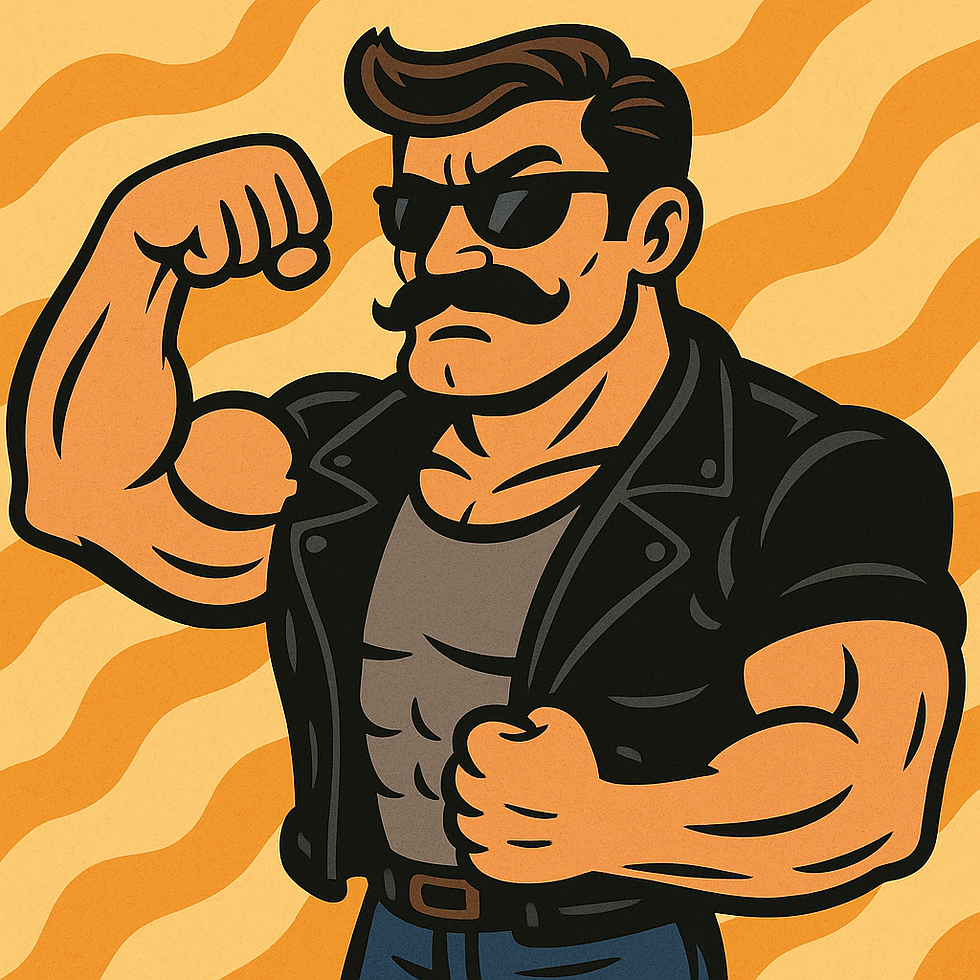
Many of us grew up with the idea that a man is supposed to be the strong one. Like, “carry all the luggage in one trip” strong. “Open the stubborn jar without breaking a sweat” strong. “Kill the spider without flinching” strong. So, what happens when your own personal superhero suddenly gets sidelined by an injury or illness and you’re suddenly the one dragging in the groceries and opening jars? Is this when you have to admit that maybe there are some things that men can do better than women?
The truth is, when the expectation of male strength collapses, the relationship shifts. Suddenly, your strong, silent type is neither strong nor silent. He’s now asking for soup, adjusting his heating pad, and sighing loudly every few minutes. You might feel compassion, sure. But also, confusion, maybe even disappointment. Not because he’s weak, but because you have to be strong now and this isn’t something that you had ever envisioned.
Books and articles are written condemning female gender bias that assumes women should be nurturing, soft spoken and non-assertive. However, men have also been the victims of societal gender bias. This bias declares that men are capable of heroic physical tasks and that real men don’t cry. The words sissy and wimp are used to describe a man who doesn’t conform to society’s expectation of masculinity. A man who’s been taught his entire life that his value lies in being physically capable may not handle weakness with grace, even if that weakness is the result of illness or injury. He might start questioning his masculinity, or worse, he might try to “tough it out,” which usually results in reinjury or an even more dramatic collapse.
If your entire relationship dynamic is based around him being the “strong one,” this shift can result in both partners riding an emotional roller coaster. Caregiving is a two-way street that occasionally contains speed bumps and construction. You can arrive at your final destination if you persevere and work together.
Strength comes in many forms: lifting heavy boxes, yes, but also in saying “I’m scared” or “Can you help me?” or “Please tell me I’m still manly while I use this orthopedic pillow.” Perhaps accepting help is the greatest strength of all because it means exposing your vulnerabilities and not worrying about who’s in control.
At the end of the day, relationships aren’t about who’s physically stronger. They’re about laughing through the mess and carrying each other when needed. The real test is whether you can still find your partner attractive even if that partner has to ask for help to tie their shoe. Now that’s love.


Comments